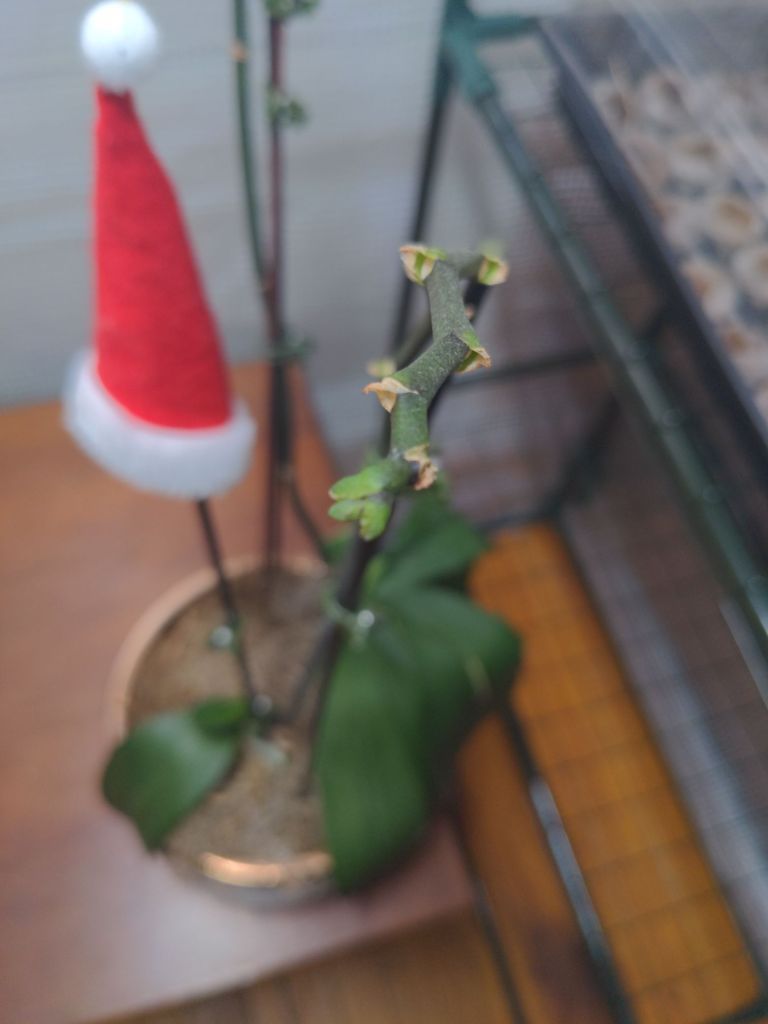
Orchids have a reputation for being delicate, and let me tell you, they’re tougher than they look. I had one that seemed completely done for. The leaves were wrinkled and limp, the roots looked more like brittle threads than anything alive, and I was this close to tossing it in the compost. Being the stubborn person I am, I don’t give up easily, and neither should you! With a little patience and the right approach, an orchid can come back from the edge.
The first step is figuring out what went wrong. Most orchids don’t just die; they get smothered with too much love (aka overwatering) or forgotten entirely (underwatering). This orchid was suffering from pretty significant neglect. If the roots are mushy and black, it’s been drowning. If they’re dry and papery, it’s been starved. Either way, the solution starts with a fresh start.
I gently pulled mine out of its old pot, brushing off the lifeless roots and trimming anything that was dead. The key here is a sterile pair of scissors, orchids hate infections, just like people! After that, I let it sit bare-root for a few hours, letting any cuts dry out. Orchids don’t thrive in regular potting soil; they need something airy like bark or moss, so I repotted mine in a mix that drains quickly and allows the roots to breathe. I also topped the soil with some dry moss to keep moisture in.
Watering is where most people go wrong. Orchids don’t want to sit in soggy soil, but they also don’t want to dry out completely. I started following the “ice cube” method; placing a few ice cubes on top of the dry moss, letting them melt naturally, draining slowly to prevent overwatering. I do this every 3-4 days. I mist the orchid with water everyday in the morning. No guessing games, no strict schedule, just watching the roots and the feel of the pot.
Then there’s the environment. Orchids are tropical, so they like warmth, humidity, and indirect light. I set mine up in my amazing little indoor greenhouse, with light for 12 hours a day, I placed it on the second shelf so that it receives indirect light. No drafts, no blasting heat vents, just a cozy, stable space to recover.
And then… I waited. This is the hardest part because orchids move at their own pace (we’re talking over a year in between buds!). For weeks, nothing happened. Then, slowly, new roots started pushing out, and the leaves perked up. It was a long game, and after a few months, the ultimate reward appeared, a brand-new flower spike!
If you’ve got an orchid that looks like it’s given up, don’t count it out just yet. With a little care and patience, it can surprise you. And when it finally blooms again? That victory is so worth the wait!
 Yard 2 Yield!