When the Past Comes Knocking: A Dive Into Reconnecting

Reconnecting 🕊️

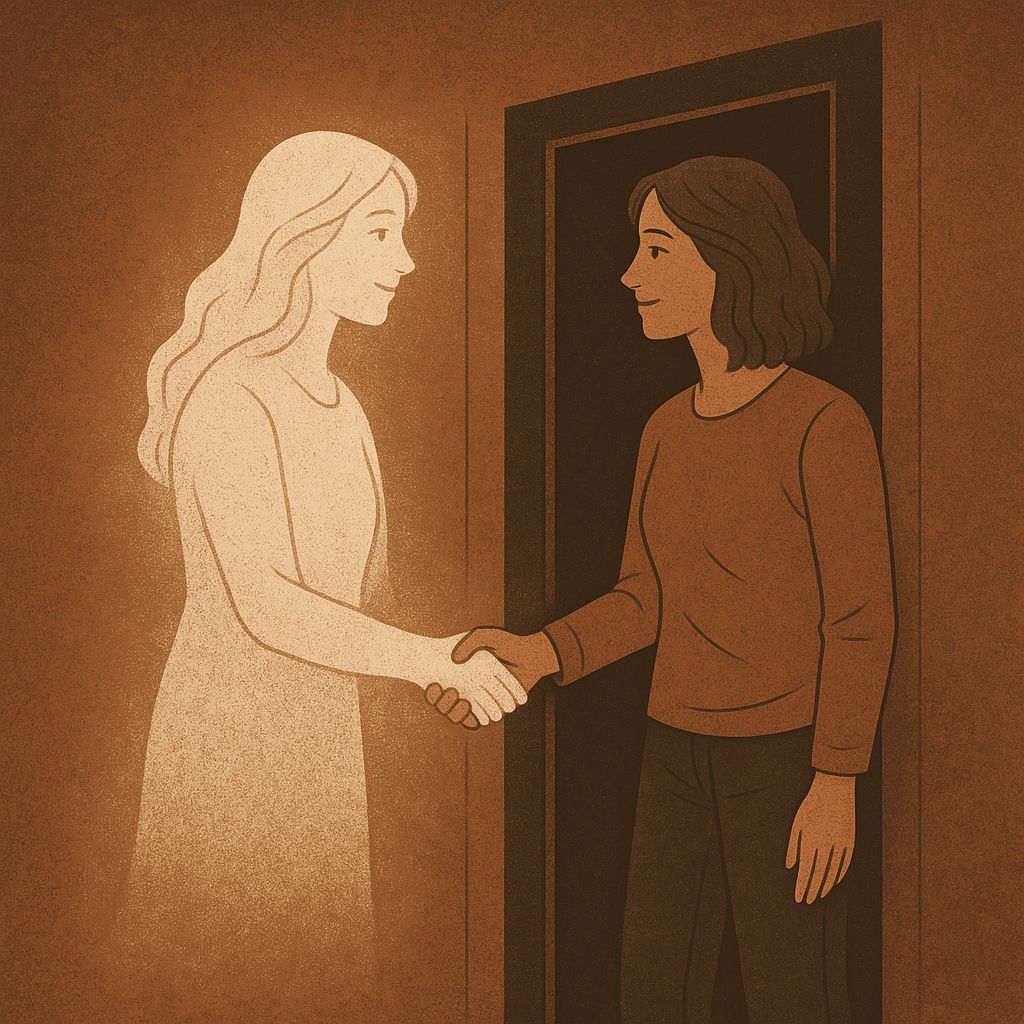
Sometimes, the past doesn’t stay where we left it.  It taps softly at the edges of our dreams, whispers through an old song, or appears suddenly in a text from someone we haven’t thought about in years.  When the past knocks, it’s rarely convenient, and it’s almost always meaningful.

Lately, I’ve found myself face to face with echoes.  Not just people I once knew, but pieces of myself I thought had been folded away for good.  Old friends, family dynamics, even spiritual energies I hadn’t felt in years, all circling back as if on cue.  At first, I brushed it off.  A coincidence here.  A random memory there.  I don’t think spirit works by accident.  And the more I tuned in, the more I realized these weren’t intrusions, they were invitations!

Some ghosts don’t haunt, they guide.

Reconnecting with people from our past can be healing, messy, unexpected, or all three.  Sometimes the wounds have scabbed over, and not truly healed.  Other times, the time away allowed both souls to grow in ways that now make reconnection feel… divine.  It’s not always about rekindling relationships either.  Sometimes it’s about closure.  Other times, it’s a reminder of who we were, so we can better understand who we’ve become.

And then there are the old spirits.  Ancestors.  Guides.  Past life threads.  These don’t always knock the same way.  They show up in synchronicities, repeated symbols, feelings of déjà vu.  Lately, I’ve felt the presence of energies I haven’t called on in a long time.  They arrive not to overwhelm, only to remind: You are held.  You are watched over.  You are on the right path.

Reconnection requires discernment.  Not every knock needs answering.  Some doors are better left closed. And others? They lead us back to ourselves.

So when the past knocks, I listen now.  I ask: Why now?  What’s the lesson here?  What have I not yet fully seen?

And if I feel that gentle pull in my chest, that heart-hum of knowing… I open the door.

Because sometimes, what we need most isn’t something new… it’s something we’ve forgotten.
From Highchairs to Harvest: How I Taught My Kids Where Dinner Comes From

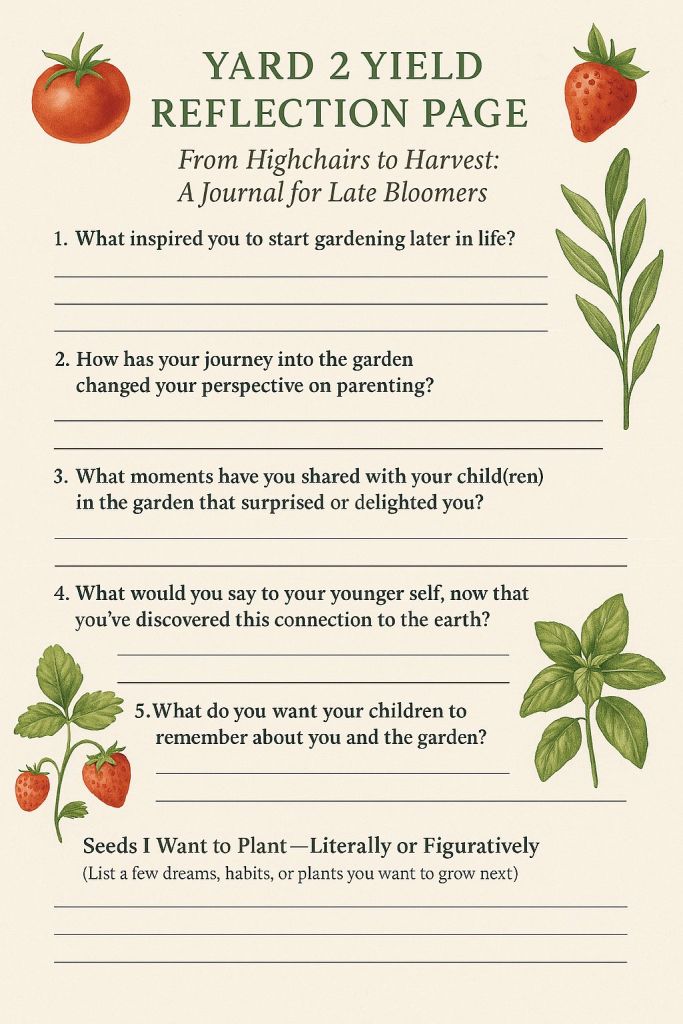
Reflection page!

I wasn’t always a gardener.
Truth is, by the time I found my way to the soil, one of my kids had already left the nest, and another was well on their way.  It wasn’t some long-held family tradition or early childhood memory that drew me in (except memories of getting my hands dirty in the garden, planting marigolds with my dad) it was a quiet pull, a whisper that said, “You could grow this.”

And so I did.

Not just plants, but peace.  Purpose.  And a new way of parenting.

When I started gardening, my daughter Evalynn was around 15.  Old enough to roll her eyes but still young enough to be curious.  She’d follow me barefoot through the yard, popping cherry tomatoes into her mouth like candy, staining her fingers with berry juice.  She learned quickly where food really comes from, not a box, not a drive-thru, but from dirt, sun, and time.

What I didn’t expect was how much I would grow, too.
Gardening gave me a second chance, not just to connect with nature, but to reconnect with my kids in a different way.  I couldn’t go back and put seedlings in their toddler hands, but I could share what I was learning now.  I could invite them into this grounded, healing rhythm and let them see their mom bloom a little later in life.

And they noticed.

Tristan (22) asks for fresh herbs and eggs when he comes home to visit.  And Evalynn?  She’s a sun-warmed cherry tomato thief and proud of it! 🍅

So if you’re feeling like you missed the boat on homesteading or garden-grown dinners, let me be the first to say:
It’s never too late to plant something new!

You don’t have to start with a full-blown homestead.  Start with a pot of basil on the windowsill.  Let your kids see you try, fail, laugh, and learn.  Let them witness your joy when a seed you almost gave up on finally sprouts.

Whether your babies are in highchairs or their own apartments, there’s still time to grow something beautiful, together!

Jumping Through Hoops and Growing Anyway

Life’s like a circus!

Sometimes life feels like an endless obstacle course built by someone with a twisted sense of humor.  One minute you’re finally standing tall, and the next, someone’s yelling, “Now jump through this one!”

It’s too high.  It’s on fire.  It’s moving.  And you’re tired.

And yet, you jump.  Or climb.  Or crawl under it while muttering things your grandmother would disapprove of.

Because that’s what life demands sometimes.

The Hoops Are Never Just One Thing

Sometimes it’s paperwork.  Or bills.  Or the fifth phone call to fix something that never should’ve broken in the first place.  Sometimes it’s emotional, unrealistic expectations, guilt trips, or trying to prove your worth to people who never really saw it.

They come disguised as responsibility, as tradition, as just the way things are.  And they can suck the joy right out of your day if you let them.

Here’s the thing though: hoops are made to be passed through.  Not lived inside.

You’re Not Lazy, You’re Exhausted!

Some days, the only hoop you want to jump through is the one that lands you on the couch with a blanket and a snack.  That doesn’t mean you’ve failed.  That means you’re human.

Rest isn’t weakness, it’s fuel.  Even the strongest plants have seasons of stillness.  Nobody expects the apple tree to bear fruit in January.  Why do you expect yourself to bloom year-round while leaping over metaphorical circus props?

Jump With Purpose, Or Don’t Jump at All

You don’t owe every hoop your energy.  Not every expectation is yours to meet.  Some hoops are handed down from other people’s fear, control, or misplaced values.

Ask yourself: Who’s holding this hoop?  Why am I jumping through it?  What do I gain on the other side?

If the answers don’t sit right in your gut, you don’t have to leap.  You can walk around it.  Knock it over.  Burn it in the fire pit while roasting marshmallows and reclaiming your peace.

You’ve Already Cleared So Many

Look behind you.  See all those bent and broken hoops?  You’ve already made it through things other people couldn’t even imagine.  That’s not luck.  That’s resilience.  That’s tenacity.  That’s you.

So if today feels hard, if the hoop looks impossible, if the jump feels too high, know this: you’ve jumped before, and you’ll do it again.  Or you’ll find another way through.  You always do. 😉

Forgotten Wisdom: Homestead Secrets Our Ancestors Swore By

When we talk about homesteading today, it’s easy to get swept away by the latest gadgets and gizmos promising quicker harvests and easier chores.  There’s also something beautifully grounding, and brilliantly clever, in the forgotten wisdom of our ancestors.  These long-lost hacks from the 1700-1800s aren’t just charming throwbacks; they’re timeless treasures that our modern-day homesteads can deeply benefit from!

The Root Cellar Revival

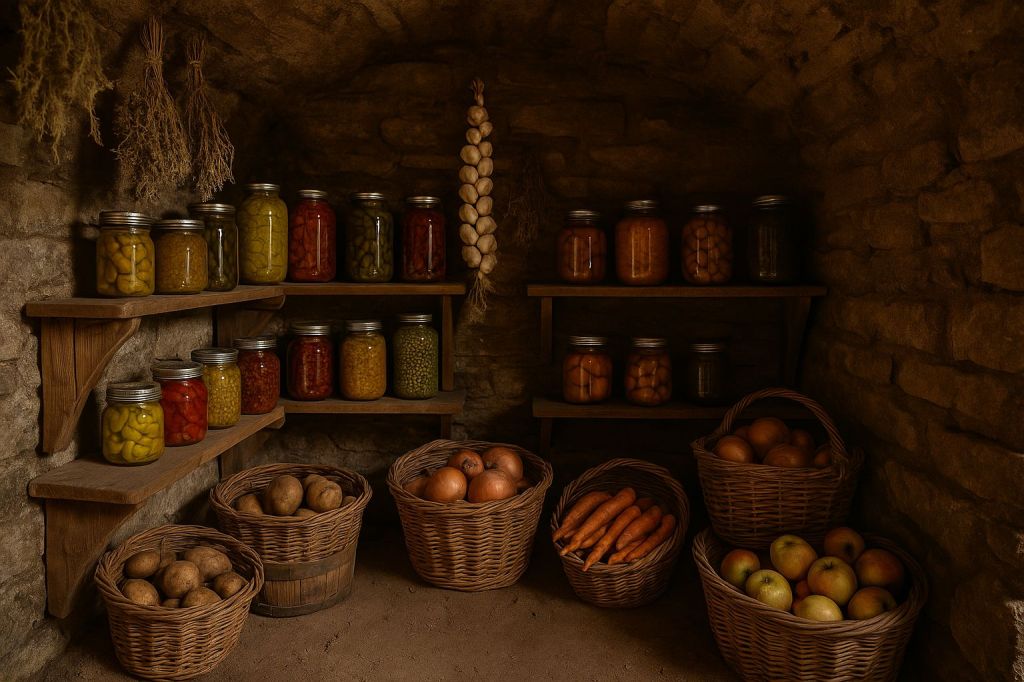
Long before refrigeration, our ancestors mastered food storage with root cellars.  Underground rooms or even simple holes in the ground provided perfect conditions, dark, cool, and humid, for vegetables like carrots, potatoes, onions, and apples to last through harsh winters.  Don’t have space for a traditional root cellar?  Repurpose an old cooler or insulated box buried underground or in a shady area covered with hay to recreate this timeless technique.

Composting Magic

Did you know early homesteaders were composting before it was cool?  Kitchen scraps, animal manure, and yard waste all found their way into carefully tended piles.  They understood that nutrient-rich soil was the secret to thriving gardens.  Take their lead: keep a simple, layered compost pile going year-round and watch your garden flourish, no fancy bins required!

Herbal Remedies at Hand

In the days before pharmacies lined street corners, every homesteader knew how to harness the power of herbs.  Calendula salves soothed cuts, yarrow stopped bleeding, and chamomile calmed nerves and upset stomachs.  Bringing back these remedies is simple: dedicate a small garden patch or windowsill planter box to medicinal herbs, and you’ll have a natural first-aid kit at your fingertips.

Cast-Iron Cookware for Generations

Our ancestors swore by cast iron for a reason, it lasts forever, retains heat beautifully, and even adds iron to your meals.  Skip the nonstick pans and embrace seasoned cast iron skillets and dutch ovens.  Properly cared for, these heirloom pieces will serve your family for generations.

Animal Husbandry Wisdom

Caring for animals wasn’t a hobby; it was survival.  Early homesteaders knew the value of using every resource available.  Chickens weren’t just egg layers; they were pest control and compost creators.  Goats provided milk, cleared brush, and fertilized fields.  Revisit their mindset by adopting animals that serve multiple purposes, ensuring your homestead thrives sustainably.

Weather Watching Wonders

Without apps or forecasts, our ancestors learned to predict weather through nature itself.  Red skies at night promised fair weather, closed pinecones meant moisture was on its way, and low-flying birds indicated impending rain.  Tune into nature’s subtle signs, and you’ll rarely be caught off guard by sudden weather changes again.

A Legacy Worth Keeping

Homesteading isn’t just about productivity, it’s about connection, stewardship, and keeping alive the wisdom passed down through generations.  By reviving these forgotten hacks, we embrace a simpler, smarter way of living that deeply nourishes both land and soul.  So let’s dust off the old ways and let them guide us forward, stronger and wiser than ever!

The Garden Oracle: If My Plants Could Talk

Personalities of the garden

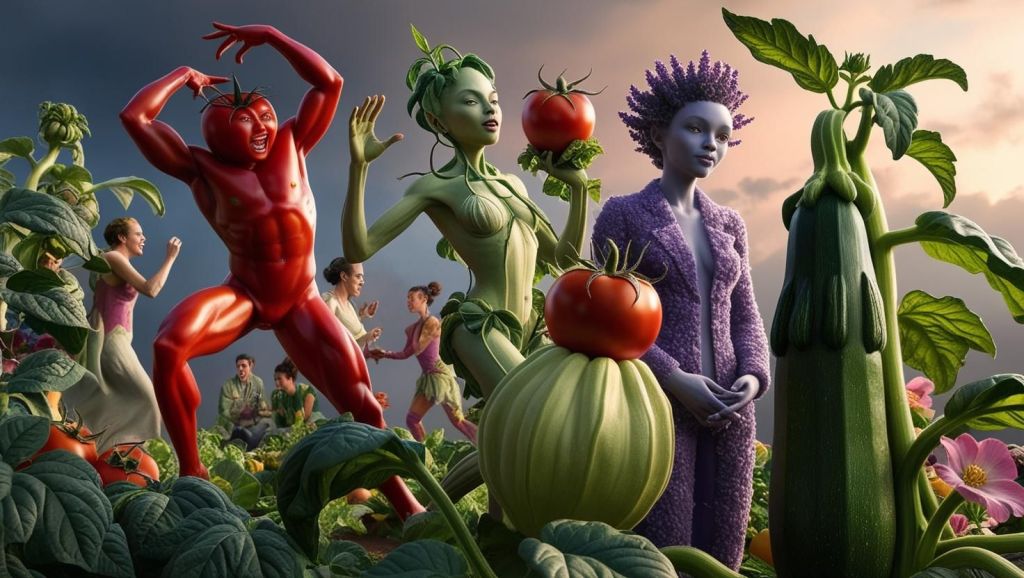
Every gardener knows, plants have personalities.  They don’t speak in words, but oh, they communicate.  Some beg for attention.  Some thrive in silence.  Some are absolute chaos with leaves.

And if they could talk?  Oh honey, they’d have plenty to say!

Let’s take a stroll through the garden and hear what the real stars of the soil might whisper, mutter, or shout if given the chance…


Tomato – The Drama Queen

“Ugh, are my leaves curling?  Is that blossom-end rot?!  Quick, someone Google it!”

Tomatoes need the sun, the spotlight, the perfect amount of water, and constant emotional support.  They throw fits at the slightest imbalance.  And oh, when they’re happy?  They give and give.  Juicy, radiant, and worth every tantrum.


Lavender – The Chill Mystic

“I’ve already done my blooming.  I’m just here to vibe.”

Lavender exudes peace.  She doesn’t need the fuss.  She stands firm in her boundaries, smells like a deep exhale, and teaches you the sacred art of stillness.  Irritate her, and she’ll just stop blooming, and she’ll never lose her grace.


Zucchini – The Overachiever

“I MADE SIX MORE FRUITS WHILE YOU BLINKED!”

Zucchini doesn’t ask for permission.  It just takes over.  Every leaf is the size of a dinner plate, every blossom has a plan, and the harvest?  Aggressive.  You’ll be gifting zucchinis to strangers in the Aldi parking lot by July!


Dill – The Nosy Neighbor

“Hey! Whatcha planting? I go great with pickles.  Also, did you mulch that right?”

Dill is feathery, friendly, and absolutely everywhere.  It pops up in garden beds it wasn’t invited to and somehow makes itself welcome anyway.  A chatty little herb with good intentions and zero boundaries.


Basil – The Charmer

“I’m everyone’s favorite.  Admit it.”

Basil struts through the garden like it owns the place.  Smells divine, gets along with everyone (especially tomato), and bolts the moment you stop paying attention.  Still, you forgive it every time.  That’s the power of charm.


Carrot – The Quiet Introvert

“I’m doing deep work.  Please don’t disturb me.”

Carrots keep to themselves.  They don’t need praise or fuss.  They know their magic’s underground, growing steady and sweet while everyone else shows off.  Carrots teach us to trust the process, even when we can’t see what’s happening yet.


Sweet Annie – The Gentle Healer

“I don’t need attention.  I am the medicine.”

Sweet Annie is soft, steady, and strong in ways you don’t always notice at first.  Her scent clears the air, her energy calms the spirit.  She’s not here for show, she’s here for soul work.  The quiet companion who always knows when you need to rest and breathe.


Every Garden is a Living Chorus

The plants are speaking, if we’re willing to listen.  They’ve got wisdom, sass, and soul in every root and leaf.  So the next time you’re out in the garden, pause for a moment.  Let them tell you who they are.

Because sometimes, the best advice comes with petals and dirt under your nails.

Compost Happens: Let the Rot Work for You

Compost Pile

There are things in life that don’t go the way we planned.  Dreams that fell flat.  Friendships that soured.  Mistakes that haunt us in the quiet hours.  It piles up, doesn’t it?  The heartbreaks, the burned bridges, the should’ve, could’ve, would’ve cycle.

And just like the garden, life starts to stink if we don’t do something with all that waste.

Here’s the secret gardeners know, compost happens.  And it’s not a mess to be ashamed of.  It’s a resource!

Rot is Not the End.  It’s the Beginning.

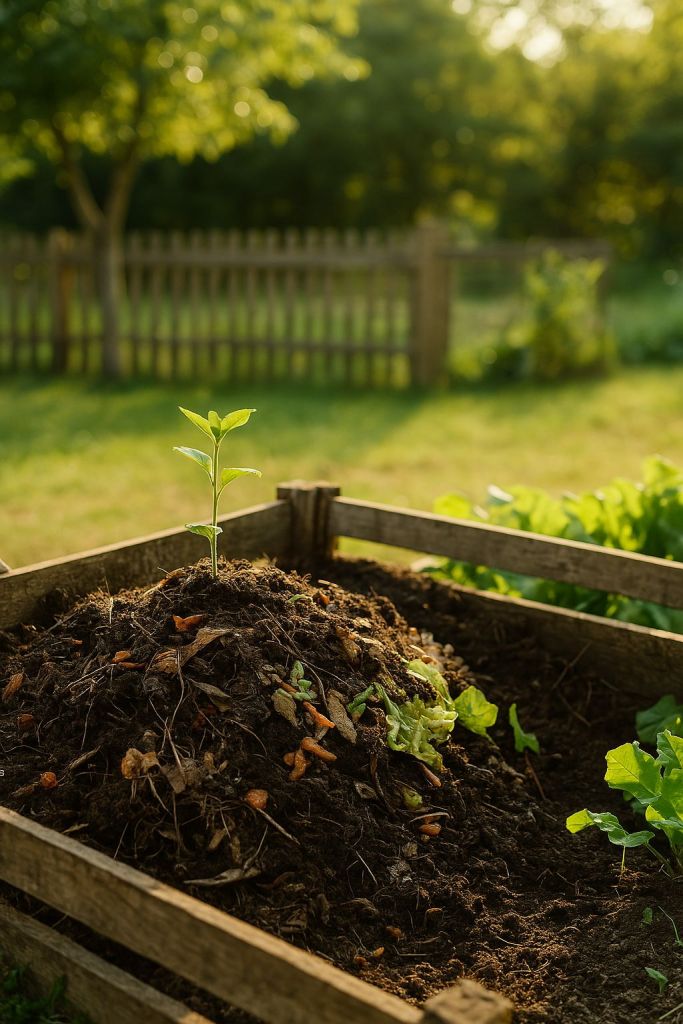
Take a good look at your compost pile.  It’s the stuff nobody wanted, banana peels, wilted greens, eggshells, the weeds you yanked out in frustration.  Useless, right?  Ugly, smelly, past its prime?

Give it time.  Give it air.  Give it a little heat and a good turning now and then.  That pile starts to change.  The rot breaks down.  The stink fades.  And what’s left?  Rich, dark, living earth.  The kind of stuff that makes everything grow better.

You, my friend, are no different.

Let It Break Down

You don’t have to carry every old hurt with you.  You don’t have to hide the parts of yourself that feel broken, bitter, or bruised.  You just need a place to put it.  Somewhere it can transform.

That place might be journaling.  Or a walk in the woods.  Or ugly crying in your car to a sad song from 2018 (my fav is The Night We Met, by Lord Hurron.)  It might be a therapist’s office or a garden bed.  Whatever it is, go there.  Let the pain breathe.  Let it turn over in the light.

It’s not weakness.  It’s alchemy.

The Best Soil is the Most Worked-Over

Isn’t it funny how the places with the most struggle often produce the most beauty?  Compost-fed soil grows stronger roots, bigger blooms, and sweeter fruit.

The same is true of you!  If you’ve been through it, and I mean really been through it, you’ve got something powerful beneath your surface now.  You’re not fragile.  You’re fortified.

The stuff you thought would ruin you?  It’s feeding the next version of you.

Don’t Rush the Process

Compost doesn’t happen overnight.  There’s a slow magic to it.  Things have to heat up, cool down, settle in, and get turned around a few times before they’re ready.

So be patient with your healing.  Don’t dig up the pile every day looking for results.  Just keep showing up.  Keep tending.  Keep trusting that something good is happening, even if you can’t see it yet.

Because eventually, you’ll plant something new in that soil.  And it will thrive, not in spite of what you went through, but because of it instead.

Rootbound: When You’ve Outgrown the Container You’re In

There comes a point when the roots start circling.

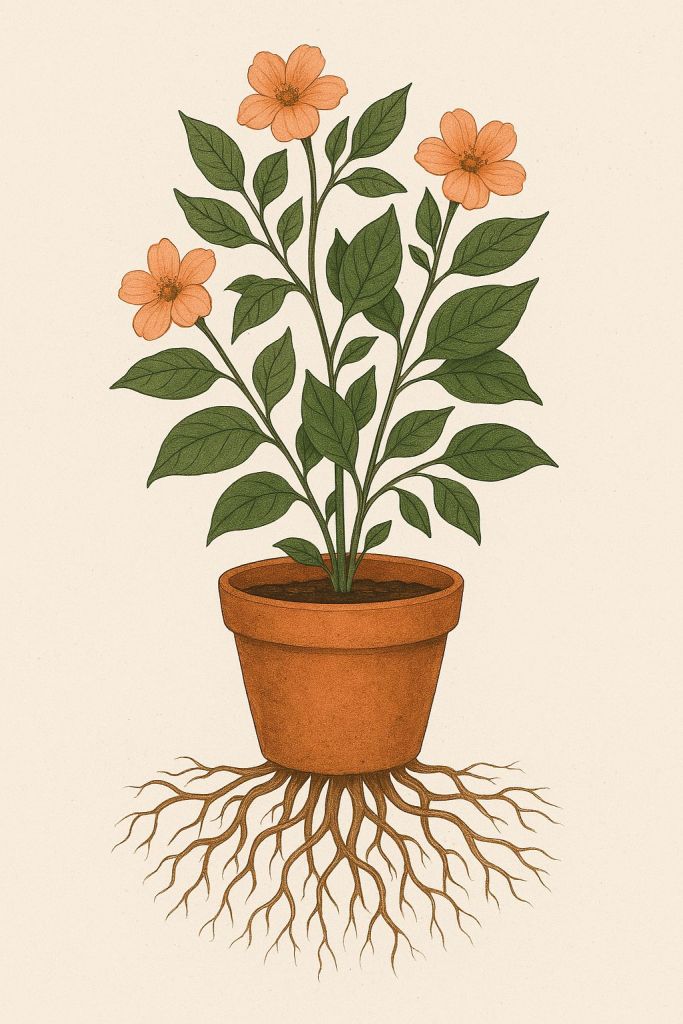
You’ve seen it before, in a pot that’s too small, where the plant can’t grow another inch.  The leaves start to yellow, the flowers don’t bloom, and you wonder what went wrong, until you pull it from the pot and see the truth: it’s not broken, it’s crowded!

That’s how life feels sometimes.

You’ve done the best you could in the space you were given.  You’ve stretched, twisted, adjusted, made do.  And now, you’re not thriving, you’re just surviving.  Rootbound.

Tightly Wound and Tired

When you’re rootbound, it doesn’t always look like suffering at first.  You might be showing up.  Smiling.  Checking all the boxes.

And inside?  You’re circling.  Stuck in the same old thoughts, same old routines, same conversations that leave you empty.  Maybe you feel irritable or restless or too much all of a sudden.  Maybe you’ve been trying to shrink to fit in a place you’ve long outgrown.

This isn’t failure.  This is a signal.

Growth Was Never the Problem

A rootbound plant isn’t weak, it’s strong.  It’s been trying to grow, pushing in every direction it can, holding on with everything it’s got.  That’s what you’ve been doing, too.

You’ve expanded in spirit, in wisdom, in resilience.  You’ve become more of who you are.  And now, the life you once fit into, maybe the job, the role, the story, the relationship, the expectations, it’s just too damn small.

Time to Repot, Love

The only way forward is out.

You’ve got to loosen those roots, shake off what’s clinging too tight, and settle into a new space that allows you to breathe.  This might look like a big change, or it might be as subtle as finally saying no when you mean it, or yes to something you’ve been afraid of.

It might be scary.  Transplanting always is.  And I will say,  it’s the only way to keep growing.

Not Everything Makes the Move

When you replant, not every root comes with you.  Some of them need to be trimmed, old beliefs, habits, patterns that no longer serve.  That’s okay.  That’s healthy.  It doesn’t mean those parts weren’t important.  It just means you don’t need them anymore!

Let it go.  Make space.  The soil is waiting.

You Deserve a Bigger Pot

You weren’t meant to shrink.  You weren’t meant to circle endlessly inside a story that’s grown too tight.  You were meant to expand!  To bloom!  To take up space!

So if you’ve been feeling cramped, out of sorts, restless, don’t panic.  You’re not falling apart.  You’re just rootbound.

And it’s time to grow.

Love, Loss, and the Garden: Grief with Dirt Under Your Nails

There’s something about a garden that holds space for all of it, joy, growth, failure, and yes… loss.

You don’t have to explain yourself to the dirt.  You can plant seeds with tears in your eyes and still get tomatoes by summer.  You can bury something in grief and find something new growing beside it by fall.

The garden knows what we sometimes forget: love and loss live right next to each other.

Grief Comes in Seasons

Loss doesn’t run on a schedule.  It doesn’t care if it’s planting time or harvest time.  It shows up when it wants, and it lingers like a late frost.

Just like the weather, grief moves in seasons.  There are days when everything feels heavy and raw.  There are days when you feel numb.  Then, one morning, you notice the daffodils pushing up through last year’s decay, and something inside you stirs.

Not because the grief is gone; it’s because life refuses to stop growing.

The Garden is a Living Memory

Every gardener knows, there are plants tied to people.  A rose bush from your grandmother’s yard.  Sunflowers your child picked out in the seed catalog.  The lilac your partner planted before they passed.

These plants become living altars.  They don’t just grow, they carry memories.  You tend them with care, even when it hurts, because they help you remember that love doesn’t leave, it just roots deeper.

We Dig, Even When It Hurts

There’s something sacred about digging when your heart is broken.  When you can’t control anything else, you can still put your hands in the dirt.  You can pull weeds, water roots, talk to the plants.

You don’t need to have the right words.  You don’t need to feel strong.  You just show up.  And in the showing up, something begins to shift.

Maybe it’s the rhythm of nature.  Maybe it’s the sun on your back.  Maybe it’s just that a garden is a safe place to be silent.  To cry.  To be messy and human.

Love Lives On in What We Grow

Loss is a thief, and love? Love is a farmer.

Love keeps planting.  Love saves seeds from last year’s fruit.  Love shows up with a watering can when you’re too tired to move.  Love whispers, “Keep going,” even when the rows are crooked and the weeds are thick.

When we love someone deeply and lose them, we don’t stop tending, we tend differently.  We plant things they would have loved.  We notice the color of the sky like they used to.  We find them again in the harvest, in the scent of lavender, in the breeze that brushes our face while we water the beans.

Let the Garden Hold You

Whatever you’re carrying, grief, hope, or both, bring it to the soil.

Plant something.  Pull something.  Sit in the sun with a cup of tea and remember that you don’t have to heal all at once.  You don’t have to make sense of anything today.  You just have to breathe.  To be.

The garden can hold your joy and your sorrow.  It can hold your love and your loss.

And it will keep growing.

Just like you.

Seasons Change: What the Garden Teaches Us About Aging, Hormones, and Growing Into Ourselves

Aging gracefully

There’s a shift that happens, not all at once, and not always gently.  One day you’re bouncing out of bed with the energy of a spring chicken, and the next, you’re standing in the kitchen wondering why your pants don’t fit, your patience is thin, and you could cry over a dropped spoon.

Welcome to the season of shifting hormones and growing older.  It’s not for the faint of heart.

You know what?  Neither is gardening.

Nature Doesn’t Apologize for Changing

In the garden, we expect things to change.  No one scolds the tulip when it wilts.  No one shames the apple tree when its fruit is smaller one year, or the leaves fall early.  Change is built in.  It’s expected.  Honored, even.

Yet in life (especially for women) we’re told that aging is something to fear or fix.  That if our bodies soften, if our energy dips, if our moods shift like the wind, we must be broken.

No, ma’am!  You’re not broken!  You’re evolving!

Hormones Are Like Weather: Powerful and Unpredictable

Much like a summer storm can roll in fast and fierce, hormones can take you by surprise.  Hot flashes.  Mood swings.  Brain fog.  Insomnia.  Suddenly your body feels like it’s not your own, and you’re wondering who fried your wiring overnight.

And just like we adjust the garden, move a plant to better light, cover the soil to protect from frost, we can adjust our lives to support what’s happening inside.  Herbal allies, nutrient-dense food, rest, movement, boundaries.  Listening.  Trusting.  Honoring the change, instead of fighting it.

The Garden Doesn’t Bloom All Year—And Neither Do You

There’s wisdom in the soil.  Even the most productive garden has times of rest, dormancy, and decay (some days I feel this!)  Not every day is for flowering.  Some days are for root work.  Some seasons are for pruning.

Our culture worships productivity, and your body knows better.  Aging isn’t decline, it’s refinement.  You’re being called inward.  To let go of what’s no longer needed.  To nourish what still matters.  To stop blooming for everyone else and finally grow for you.

Composting the Old, Making Room for the New

The garden wastes nothing.  Dead leaves, spent stalks, the mess of last season, it all breaks down and becomes rich, fertile soil.  You are allowed to let things fall away.  Roles you’ve outgrown.  Relationships that no longer fit.  Expectations you never asked for.

Let them rot.  Let them transform.  Use them to feed the next version of you.

Growing Older Isn’t Losing Youth—It’s Gaining Wisdom

The garden doesn’t mourn the loss of spring when autumn comes.  It celebrates the harvest.  It ripens.  Deepens.  Stretches out in color and richness and grace.

So let’s do the same.  Let’s stop fighting the changes and start flowing with them.  Let’s listen to our bodies like we listen to the land.  Let’s support our hormones like we support our tomatoes, staking, feeding, tending with care.

Growing older isn’t the end of anything!  It’s just another season.  One with its own beauty, its own strength, and its own kind of bloom.

Keep Going: Wisdom for the Wild Ride

Zen!

Some days, life feels like pulling a cart full of Sweet Annie, barefoot, in the rain, while a chicken watches and judges.  We all hit those points where we question whether it’s worth it, whether we’re really cut out for this calling, this dream, this work that demands so much and gives back in whispers.

It’s in those moments that we need a little reminder, something to light the path, stir the soul, and get us moving again.

Let’s gather some words from those who’ve been in the trenches, those who’ve fought hard battles, and lived to share the wisdom.  Not as empty inspiration, but as fuel for the fire.


“Believe you can and you’re halfway there.” —Theodore Roosevelt
It doesn’t start with the tools, the plan, or the money, it starts with the belief.  If you’re still standing, still dreaming, still trying, you’re already halfway to where you’re going.  Don’t underestimate that.


“The only way to do great work is to love what you do.” —Steve Jobs
And let’s not forget why we began.  The love.  The spark.  The joy in seeing a seed sprout or a customer light up or an idea take shape.  That love, that’s the anchor when everything else feels like it’s drifting.


“It always seems impossible until it’s done.” —Nelson Mandela
Every big project, every big dream, every mountain ahead, they all looked impossible at first.  Then somebody did it.  Why not you?


“Believe in yourself and all that you are.  Know that there is something inside you that is greater than any obstacle.” —Christian D. Larson
You don’t need to become someone else.  You don’t need to wait until you’re “ready.”  What you need is already within you.  More strength.  More wisdom.  More fire than you know.


“Everything you’ve ever wanted is on the other side of fear.” —George Addair
Fear’s a trickster.  It makes us think we’re safe by staying small.  What if that thing you’re scared of, the call, the move, the risk, is exactly where your breakthrough lives?


“The greatest glory in living lies not in never falling, but in rising every time we fall.” —Nelson Mandela
You’re going to fall.  That’s not failure, it’s the curriculum.  What matters is that you get up.  Every time.  Dust off, learn something, try again.


“The only limit to our realization of tomorrow will be our doubts of today.” —Franklin D. Roosevelt
The ceiling over your head?  That’s just yesterday’s doubts.  Tomorrow waits just outside your comfort zone.


“Success is not final, failure is not fatal: it is the courage to continue that counts.” —Winston Churchill
You haven’t “made it.”  You haven’t “lost it.”  You’re somewhere in between, like the rest of us.  So keep going.


“The best way to get started is to quit talking and begin doing.” —Walt Disney
Dreams don’t build themselves.  Start the thing.  Say the words.  Plant the seed.  The momentum you need is waiting on the other side of action.


“Don’t watch the clock; do what it does. Keep going.” —Sam Levenson
Time’s moving, no matter what.  So keep growing, keep grinding, keep giving.  You’ll look up one day and realize, you didn’t just survive.  You built something beautiful.


So here’s your reminder, friend:  You’re not alone in this.  The path is messy and winding, and sometimes it feels like it’s uphill both ways.  You know, you’re made of tough stuff. And this life?  This wild, wonderful, unpredictable life?  It rewards the ones who keep going.

One step at a time.  One quote at a time.  One brave breath at a time.

Let’s do this thing!